Reducing food waste at home is one of the easiest ways to save money and protect the environment. Every year, tons of food are thrown away, contributing to unnecessary waste and increased landfill use. Fortunately, there are many simple steps you can take in your kitchen to reduce food waste, make better use of your groceries, and enjoy fresher meals.
In this post, we’ll explore practical ways to minimize food waste at home, from shopping smarter to creative leftover ideas.
Why Reducing Food Waste Matters
Food waste has a big impact on the environment and your household budget. When food is thrown away, all the resources used to grow, transport, and package it are wasted too. Additionally, food in landfills produces methane, a potent greenhouse gas. By cutting down on food waste, you can help reduce your carbon footprint and save money.
Plan Your Meals and Shop Smart
Create a Weekly Meal Plan
One of the best ways to reduce food waste is to plan your meals in advance. When you know exactly what you need for the week, you’re less likely to buy items you won’t use. Make a list based on your meal ideas and stick to it at the store.
Shop with a List and Avoid Impulse Buys
Take inventory of what you already have at home before you shop. Then make a detailed grocery list and try to avoid buying items not on it. Buying only what you need helps prevent spoiled food languishing in your fridge.
Store Food Properly
Organize Your Fridge and Pantry
Keep your fridge and pantry organized so you can see what you have. Store older items in front and newer items in back to ensure older foods get used first. Use clear containers to easily identify leftovers and ingredients.
Know How to Store Different Foods
Some foods last longer if stored properly. For example, keep leafy greens in a damp cloth or in produce bags, store bread in a cool, dry place, and keep root vegetables in a dark, cool spot. Check online for storage tips specific to each food type.
Understand Expiration Dates
Many people throw away food based on the “sell by” or “best by” dates, but these dates often refer to quality, not safety. Using your senses—smell, sight, and taste—can help you decide if food is still okay to eat. When in doubt, trust your judgment.
Use Leftovers Creatively
Plan Leftover Nights
Designate one or two nights a week to eat leftovers. This not only cuts waste but also saves cooking time.
Repurpose Leftovers
Use leftovers as base ingredients for new meals. For example, cooked vegetables can go into soups or frittatas. Stale bread can become croutons or bread pudding.
Practice Portion Control
Serving smaller portions reduces the chance of uneaten food going to waste. You can always get seconds if you’re still hungry.
Compost Food Scraps
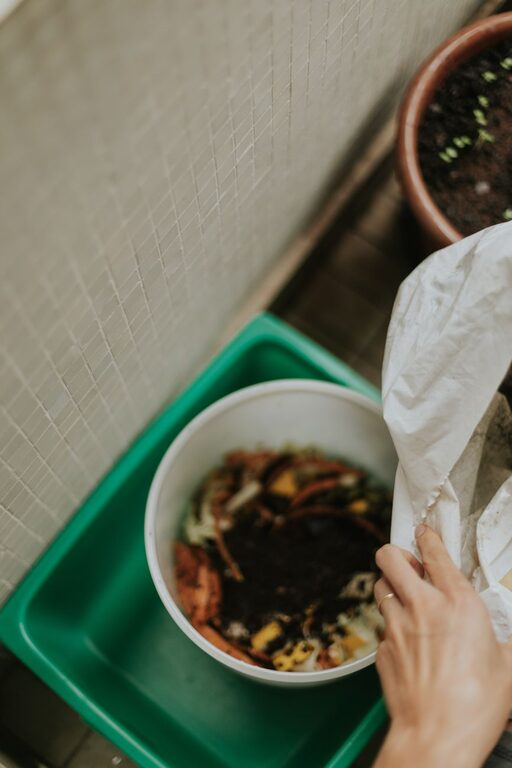
If you do have unavoidable food scraps, composting is a great way to reduce waste. Composting turns food scraps into nutrient-rich soil that can be used in gardens or houseplants.
Donate Surplus Food
If you have non-perishable items or unopened food you won’t use before it spoils, consider donating to a local food bank or shelter. This way, your extra food can help those in need instead of going to waste.
Keep Track and Learn
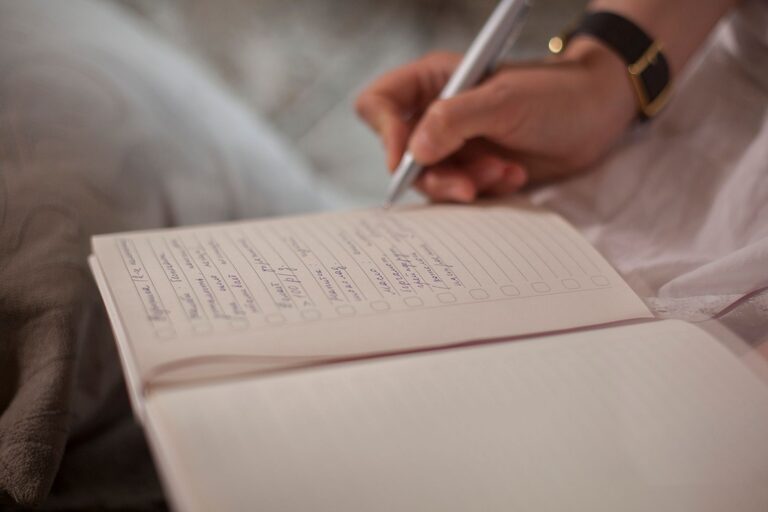
Try keeping a food waste journal for a week. Note what types of food you throw away and why. This can help you understand your habits and find ways to improve.
Final Thoughts
Reducing food waste at home is achievable with thoughtful planning and small changes. By shopping wisely, storing food properly, using leftovers creatively, and composting scraps, you can make a positive impact on your wallet and the planet. Starting these habits today will lead to less waste and more enjoyment of your meals.
Give these tips a try and share your own food-saving ideas in the comments!
About the Author