
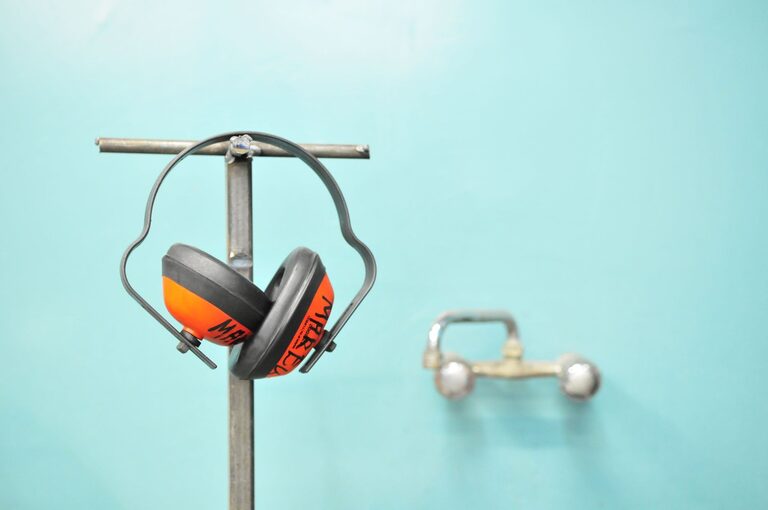
Living in a noisy environment can be stressful and disruptive, especially when you want to relax, work, or sleep. Whether the noise comes from outside traffic, noisy neighbors, or household sounds, there are simple ways to reduce noise at home without major renovations. In this post, we’ll explore practical tips and ideas to create a quieter living space, improve your comfort, and promote wellbeing.
Why Reducing Noise at Home Matters
Excessive noise can affect your concentration, mood, and sleep quality. Creating a peaceful environment helps you feel more relaxed and focused. Noise reduction is also important if you work or study from home, or have young children who need restful naps.
Luckily, you don’t need to be a soundproofing expert or spend a lot of money. Many solutions are easy to implement and can make a noticeable difference.
Identify the Sources of Noise
Before starting, spend a little time noticing where the noise comes from:
– Is it mostly traffic or street noise from outside?
– Do neighbors or shared walls transmit sound?
– Are household appliances or electronics loud?
– Is noise coming from hard floors or sparse furniture?
Understanding the main sources will help you choose the most effective noise-reducing tips.
Simple Ways to Reduce Noise at Home
1. Use Soft Furnishings to Absorb Sound
Hard surfaces reflect noise, making rooms feel louder. Soft materials help absorb sound and reduce echo.
– Add rugs or carpets on floors, especially on hardwood or tile.
– Use curtains or drapes made from thick fabric on windows.
– Place upholstered furniture like sofas and chairs.
– Include cushions and throw pillows for extra softness.
These additions not only reduce noise but also add warmth and style to your space.
2. Seal Gaps Around Doors and Windows
Noisy air and sound can easily pass through small gaps. Sealing these can block unwanted noise.
– Install weatherstripping around doors and window frames.
– Use door sweeps at the bottom of doors.
– Fill cracks or gaps with acoustic caulk or sealant.
This simple step also improves energy efficiency by preventing drafts.
3. Rearrange Your Furniture
Furniture placement can help block noise.
– Position bookshelves filled with books against shared walls or exterior walls.
– Use large furniture pieces to act as sound barriers between you and noise sources.
– Place a sofa or armchair near windows to soften incoming sound.
4. Add Soundproofing Materials or Panels
If noise is a big concern, consider adding sound-absorbing panels to walls or ceilings.
– Acoustic foam panels are easy to install and come in decorative designs.
– Fabric-wrapped panels blend with your room’s style.
– Cork tiles and heavy wall hangings also absorb sound.
For those who prefer DIY, thick blankets or quilts can also help when hung on walls.
5. Use White Noise Machines or Fans
Masking unwanted noise with consistent background sounds can make interruptions less noticeable.
– White noise machines create soothing sounds like rain or ocean waves.
– Fans or air purifiers produce gentle hums that cover sudden noises.
– Smartphone apps offer customizable white noise options.
6. Maintain Appliances to Reduce Operational Noise
Sometimes household appliances create unnecessary sound.
– Regularly clean and service HVAC systems, refrigerators, and washers.
– Place noisy machines on rubber pads to reduce vibration.
– Close doors or lids on appliances during operation.
7. Choose Quieter Window Options
Windows can be a major source of noise entry.
– Consider double-glazed or laminated windows to reduce sound transmission.
– Add window inserts that provide an extra barrier without full replacement.
– Use thick curtains designed for sound blocking.
8. Create a Quiet Room or Corner
If you need a dedicated quiet space, set up a peaceful corner.
– Use room dividers or screens with sound-absorbing materials.
– Add soft furnishings, rugs, and plants to absorb noise.
– Keep electronics and devices turned off or on silent mode.
Additional Tips for Long-Term Noise Control
– Talk with neighbors politely if noise comes from next door and explore solutions together.
– Plant trees or shrubs outside windows to act as natural sound barriers.
– Use door closers to prevent slamming sounds.
– Keep pets entertained to reduce barking or other noise.
Conclusion
Reducing noise at home doesn’t require major construction or expensive materials. Small changes like adding soft furnishings, sealing gaps, rearranging furniture, and using white noise can all contribute to a calmer, quieter environment. By identifying your noise sources and applying these simple strategies, you can enjoy a more peaceful and comfortable home.
Try a few tips today and notice the difference a quieter space can make in your daily life.
About the Author