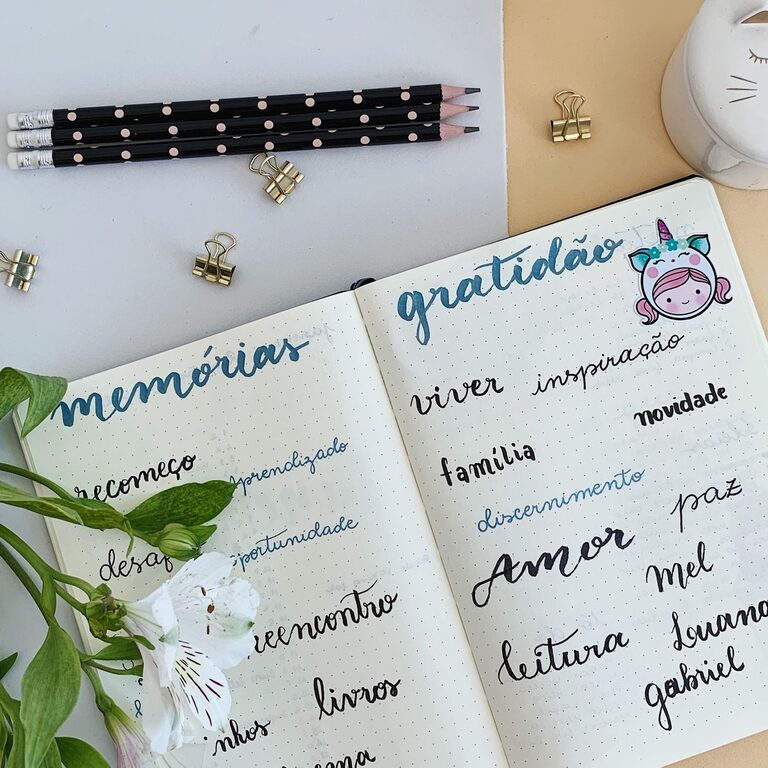

Journaling every day can be a powerful tool to boost your mental clarity, creativity, and emotional health. If you’re new to journaling, don’t worry — this beginner guide will walk you through the basics and help you establish a sustainable daily habit.
Why Journal Every Day?
Daily journaling offers many benefits, including:
– Increased self-awareness: Writing regularly helps you understand your thoughts and feelings better.
– Reduced stress: Putting your worries on paper can lighten your mental load.
– Improved focus: Journaling can clear distractions and set your goals straight.
– Enhanced creativity: Expressing yourself on paper often sparks new ideas.
– Better memory: Reviewing your entries can strengthen recall and reflection.
Starting a daily journaling practice doesn’t require special skills or lots of time—just commitment and a willingness to explore your thoughts.
Choosing Your Journaling Tools
Before you begin, decide what medium suits you best:
– Traditional notebook: Many prefer pen and paper for the tactile experience.
– Digital apps: Tools like Day One or simple note apps on your phone offer convenience and searchability.
– Mixed approach: Some combine both, jotting quick thoughts digitally and expanding in a physical journal.
Select a time of day when you’re least likely to be interrupted and have a quiet space to write.
How to Start Journaling Daily
1. Set Realistic Goals
If writing several pages feels overwhelming, start small. Aim for just 5 minutes or a few sentences each day. Gradually increase your writing time as you become more comfortable.
2. Create a Routine
Consistency is key. Pick a daily time that works for you — morning, evening, or even during lunch breaks. Treat journaling like any other appointment on your calendar.
3. Use Prompts to Get Started
Not sure what to write about? Try prompts such as:
– What am I grateful for today?
– What’s one thing I learned or experienced?
– How am I feeling right now?
– What goals do I want to focus on?
– What challenges did I face, and how did I handle them?
These questions can jumpstart your thoughts when your mind feels blank.
4. Write Freely
Don’t worry about grammar, spelling, or structure. This journal is for your eyes only. Focus on honesty and openness. Let your thoughts flow naturally and don’t censor yourself.
5. Reflect Periodically
Every few weeks, read back over your entries. Notice any patterns, changes, or progress in your thinking and emotions. Reflection can motivate you to keep journaling and deepen your insights.
Overcoming Common Challenges
Lack of Time
If your schedule is tight, try journaling for 2–3 minutes or writing bullet points instead of full paragraphs. Remember, even short entries can be meaningful.
Feeling Stuck
When you don’t know what to write, refer back to your prompts or switch to another style like:
– Gratitude lists
– Daily highlights
– Letters to yourself
– Sketching or doodling alongside words
Fear of Judgment
Your journal is a private space. You don’t need to impress anyone or be perfect. Writing without self-criticism is the heart of effective journaling.
Enhancing Your Journaling Practice
– Add visuals: Use colors, stickers, or drawings to express moods and ideas.
– Combine with other habits: Pair journaling with meditation or reading for a deeper self-care routine.
– Track progress: Note habits, moods, or goals to see your development over time.
Final Thoughts
Starting a daily journaling habit is a simple yet rewarding way to nurture your mind and emotions. By setting realistic goals, developing a routine, and embracing open expression, you can unlock the many benefits journaling offers. Give yourself patience and kindness as you begin—your journal is your personal space to grow and thrive. Happy writing!
About the Author