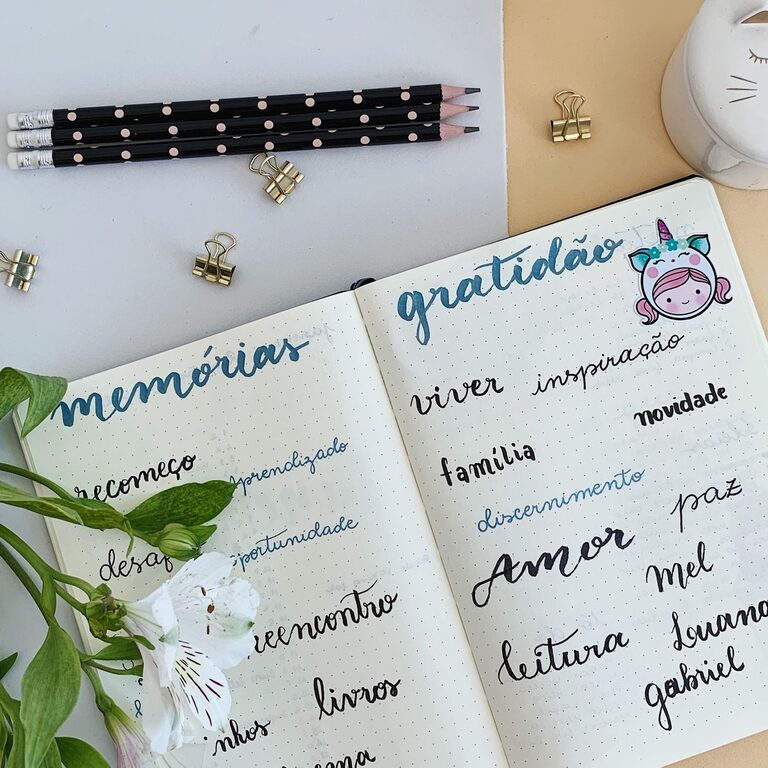

Journaling is a simple yet powerful tool that can help you achieve greater clarity and focus in your daily life. By putting your thoughts on paper, you create a space to organize your mind, identify priorities, and set meaningful intentions. If you’ve ever felt overwhelmed or distracted, journaling may be just what you need to regain control and direction.
In this post, we’ll explore how to journal effectively for clarity and focus. Whether you’re new to journaling or looking to deepen your practice, these tips and techniques will guide you toward a clearer mind and sharper concentration.
Why Journal for Clarity and Focus?
Many of us carry mental clutter—unresolved thoughts, worries, or ideas—that can make it hard to concentrate. Writing these down offers several benefits:
– Clears your mind: Offloading swirling thoughts helps reduce mental noise.
– Identifies priorities: Seeing your thoughts in writing helps you recognize what truly matters.
– Boosts mindfulness: Journaling encourages you to slow down and be present in the moment.
– Enhances problem-solving: Writing allows you to explore challenges from different angles.
– Increases motivation: Setting daily goals in a journal supports purposeful action.
With these benefits in mind, let’s look at practical ways to journal for improved clarity and focus.
Setting Up Your Journaling Practice
Before you start, create a comfortable journaling routine:
Choose Your Journal and Tools
– Select a notebook or digital app you enjoy using.
– Keep a pen or stylus handy if writing by hand.
– Consider keeping your journal in a convenient spot like your desk or bedside table.
Pick a Consistent Time
– Morning journaling can set a clear intention for the day.
– Evening journaling helps you reflect and plan ahead.
– Even 5 to 10 minutes daily can make a difference.
Create a Calm Environment
– Find a quiet, comfortable place to write.
– Reduce distractions like phone notifications.
– Play soft instrumental music if it helps you focus.
Journaling Techniques for Clarity and Focus
Here are some effective journaling methods you can try:
1. Morning Pages (Stream-of-Consciousness)
Made popular by Julia Cameron, morning pages involve writing three pages of free-flowing thoughts every morning. This exercise is less about grammar or structure and more about emptying your mind.
How to do it:
– Write whatever comes to mind without judgment.
– Don’t worry about spelling or neatness.
– Keep writing until you fill three pages or write for 10-15 minutes.
This technique clears mental clutter and often reveals hidden concerns or ideas.
2. The Daily Focus List
Create a short list of your most important tasks or goals for the day.
How to do it:
– At the start of your day, write down 3-5 priorities.
– Make sure each item is specific and manageable.
– Check items off as you complete them to gain a sense of accomplishment.
This helps sharpen your focus and prevents feeling overwhelmed by too many tasks.
3. Gratitude Journaling
Focusing on what you appreciate can shift your mindset and improve clarity.
How to do it:
– Write 3-5 things you feel grateful for each day.
– These can be simple, such as a good cup of coffee or a kind gesture.
– Reflect briefly on why you feel thankful.
Gratitude journaling fosters a positive outlook that supports clearer thinking.
4. Reflective Journaling
Use this technique to analyze your thoughts, feelings, and experiences in detail.
How to do it:
– Pick a question or topic to explore, such as “What is distracting me right now?”
– Write your reflections honestly and without censorship.
– Look for patterns or insights that emerge.
Reflective journaling builds self-awareness, which is key to improving focus.
5. Mind Mapping
Visually organize your thoughts around a central theme.
How to do it:
– Write a key idea in the center of the page.
– Draw branches out to related thoughts, tasks, or questions.
– Use colors or symbols to categorize ideas.
Mind maps help you see connections clearly and plan your approach.
Tips for Maintaining Your Journaling Habit
Making journaling a regular practice can take a little effort. Here are tips to stay consistent:
– Keep journaling short if you’re busy—consistency matters more than length.
– Use prompts or guided journals if you find it hard to start.
– Be kind to yourself—skip a day if needed without guilt.
– Experiment with different times, formats, and approaches.
– Review past entries occasionally to track your growth.
Final Thoughts
Journaling for clarity and focus is an accessible habit that anyone can develop. By dedicating a few minutes each day to organize your thoughts and set clear goals, you’ll likely notice increased calm and productivity. Remember, there is no “right” way to journal—choose what feels best for you and make it part of your routine.
Grab your journal, give these techniques a try, and enjoy the benefits of a clearer, more focused mind!
About the Author